



Book a Visual Stress Assessment (Bearsden, Glasgow)
If your child struggles with moving words, headaches when reading, losing their place, or visual discomfort, booking a structured visual stress assessment is the most reliable way to get clear answers and a path forward.
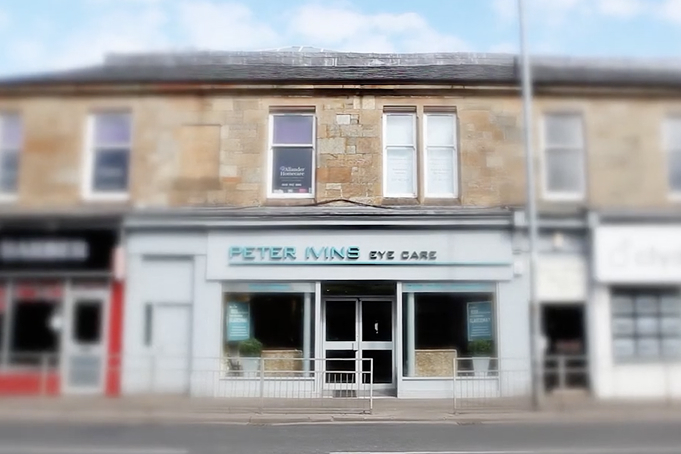
- Bus routes 15, 17, 60, N60, X10 stop within 50 yards
- Opposite Bearsden Train Station
- Free on‑site private parking
Opening Times
| Monday | |
| Tuesday | |
| Wednesday | |
| Thursday | |
| Friday | |
| Saturday | |
| Sunday | Closed |

Have an Enquiry about visual stress Treatment?


Frequently ask questions
What is visual stress?
Visual stress refers to discomfort or difficulty when looking at patterns, text, or certain lighting conditions. It often causes symptoms like eye strain, headaches, and movement or blurring of words on the page.
Who can experience visual stress?
Visual stress can affect anyone, but it is more common in people with dyslexia, migraines, autism, ADHD, or light sensitivity.
How do you diagnose visual stress?
We assess symptoms using specialised screening tools, coloured overlays, and precision tints to determine whether colour helps improve reading comfort and clarity.
What are coloured overlays?
Visual stress refers to discomfort or difficulty when looking at patterns, text, or certain lighting conditions. It often causes symptoms like eye strain, headaches, and movement or blurring of words on the page.
What are precision-tinted lenses?
These are customised coloured lenses produced after a full colorimetry assessment. They provide a more personalised and consistent tint compared to overlays.
How long does a visual stress assessment take?
A full assessment typically takes between 45–60 minutes, depending on the individual’s symptoms and responses.
Does visual stress mean I have dyslexia?
No. Visual stress is separate from dyslexia, although the two can coexist. Treating visual stress may make reading easier, but it does not diagnose or treat dyslexia itself.
Can visual stress treatment help with migraines?
Yes, some people with light-sensitive migraines find that precision tints reduce triggers such as glare, flicker, or patterns.
Is this covered by the NHS?
Visual stress assessments and precision tints are not typically funded by the NHS. They are offered as private services.
How soon will I notice improvement?
Many people notice a difference immediately during testing, while others may experience gradual improvement over several weeks.
Are coloured lenses needed forever?
Not always. Some individuals benefit long-term, while others may find their need changes as symptoms improve or reading demands change.
Can children be assessed?
Yes — visual stress screenings are suitable for children, often from age 6 and up, depending on reading ability.
Will coloured lenses affect my vision?
No. The tint does not change your prescription; it simply alters the way the brain processes visual information.
Do I still need a regular eye exam?
Absolutely. A standard eye examination is essential to rule out underlying visual issues before assessing for visual stress.
Do you work with schools or educational psychologists?
Yes — we can provide reports or liaise with schools to help support learning needs when appropriate. We also work in conjunction with an education psychologist.
Do you have an orthoptist?
Our team comprises of optometrists and opticians. If an orthoptic assessment is deemed necessary we work in conjunction with a clinical orthoptist and paediatric ophthalmologist.